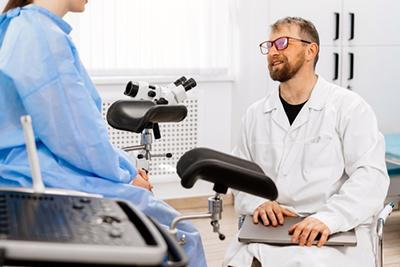
Pelvic exams are an essential part of women's healthcare, playing a crucial role in preventive care and the early detection of potential health issues. While the thought of a pelvic exam can cause anxiety for some women, understanding what to expect can help alleviate fears and empower you to prioritize your health. Pelvic exams can be extremely beneficial and even lifesaving in some instances. Understanding what a pelvic exam entails and how you can prepare yourself for your appointment is important.
What To Know About Pelvic Exams
A pelvic exam is a physical examination of a woman’s reproductive organs, including the vulva, vagina, cervix, uterus, ovaries, and fallopian tubes. The exam allows your OBGYN to assess the health of these organs and identify any abnormalities that may indicate a medical condition. This also ensures that you can receive any necessary treatment as soon as possible and avoid any complications that may occur otherwise. If you are experiencing symptoms such as pain, irregular bleeding, or unusual discharge, a pelvic exam can help identify the underlying cause.
Regular pelvic exams can help detect signs of health issues early, including sexually transmitted infections (STIs), cervical cancer, and other gynecological conditions. During the exam, your doctor may perform a Pap smear, which tests for precancerous cells on the cervix. This is an essential screening tool for cervical cancer. These exams are needed every three to five years, depending on your age and results.
You may be asked to undress from the waist down and cover yourself with a gown. For convenience, it’s best to avoid scheduling your exam during your menstrual period. Your OBGYN will likely begin by asking about your medical history, any symptoms you may be experiencing, and your menstrual cycle. They’ll examine your external genitalia for any abnormalities or concerns.
A speculum, a small instrument used to hold the vaginal walls open, will be gently inserted to allow for a better view of the cervix. While some women may feel discomfort, it should not be painful. Your doctor may perform a Pap smear by gently scraping cells from the cervix for testing. This part of the exam usually takes only a few seconds. After removing the speculum, your OBGYN will conduct a bimanual exam by inserting two fingers into the vagina while pressing on the abdomen with the other hand. This allows the doctor to assess the size and shape of your uterus and ovaries.
Contact Our OBGYN Today
Understanding what happens during a pelvic exam can help the process be less overwhelming and more comfortable. Contact your OBGYN today to schedule your next appointment.